Menu
Precision Propshaft Balancing & Repairs: Eliminating Vibrations, Restoring Smoothness
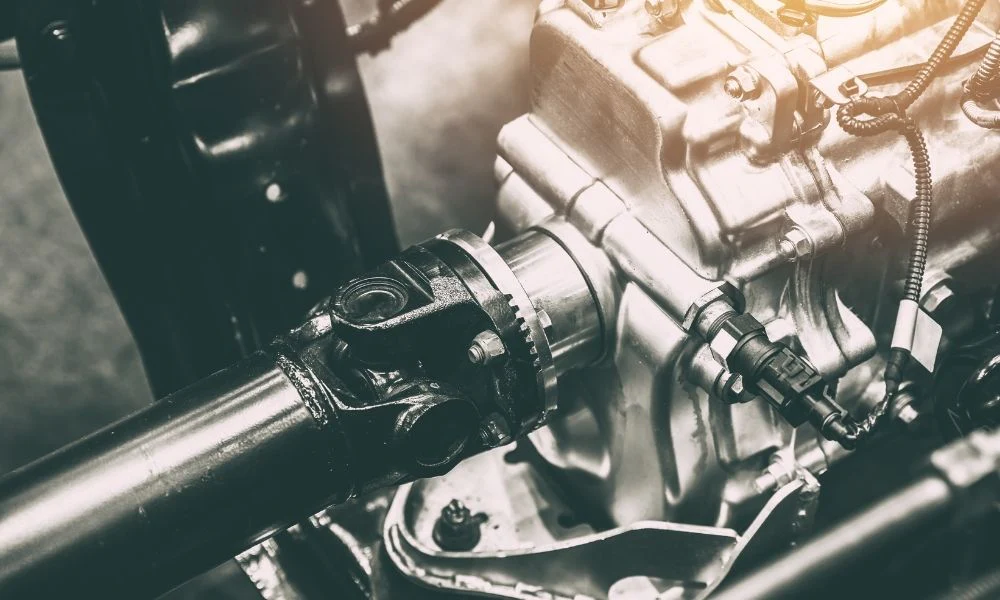
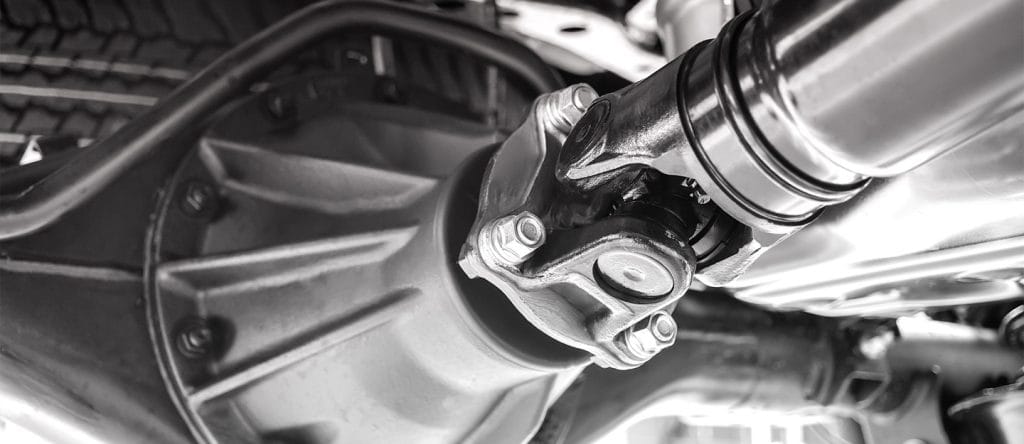
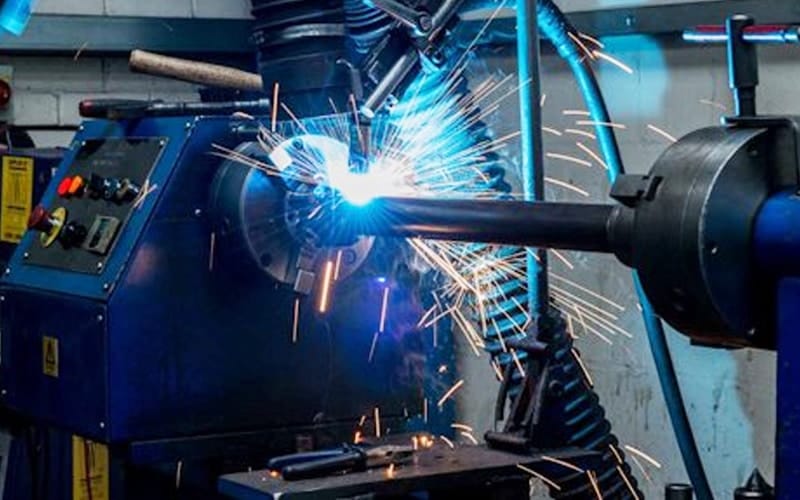
At RDG Pretoria, we deliver specialized propshaft (driveshaft) balancing and comprehensive repair services for all applicable vehicle types throughout Gauteng, leveraging our deep understanding of drivetrain systems. As a critical link transferring rotational power from the gearbox/transfer case to the differential(s), a well-maintained propshaft is vital for smooth power delivery and overall vehicle comfort. Our expert services meticulously address issues such as imbalance, misalignment, wear in universal joints (U-joints), CV (Constant Velocity) joints, or centre bearings, and physical damage. We employ precision balancing techniques and install durable, high-quality replacement parts to ensure optimal performance. Our tailored solutions effectively minimize drivetrain vibrations and ensure exceptionally smooth vehicle operation, which is particularly essential for the diverse range of vehicles in Pretoria, including passenger cars, 4x4s, and heavy-duty commercial fleets.
Common Propshaft Problems We Address
Common propshaft issues we rectify include:
If left unaddressed, these problems can lead to significant secondary damage to the connected gearbox, transfer case, or differential seals and bearings – a serious concern for any vehicle owner, and especially for Gauteng’s long-distance haulers and commercial operators where reliability is paramount.
Fault Indicators & The Role of Diagnostics (Including DTCs)
Key indicators of propshaft trouble are primarily physical and audible:
Understanding Diagnostics & DTCs for Propshafts:
It’s crucial to understand that propshaft-related issues – such as imbalance, worn U-joints, or physical damage – are primarily mechanical in nature and typically DO NOT generate specific Diagnostic Trouble Codes (DTCs) that can be read by a standard OBD-II scanner. Propshafts generally lack the electronic sensors or dedicated control modules that would report these types of faults directly to the vehicle’s Engine Control Unit (ECU) or other on-board computers.
Diagnosis relies almost exclusively on:
While direct propshaft DTCs are uncommon, in extremely rare and severe cases, intense, prolonged vibrations from a significantly failing propshaft might indirectly affect other highly sensitive electronic components in the vehicle or potentially trigger very generic, non-specific vibration-related codes if the vehicle is equipped with exceptionally advanced chassis monitoring systems. However, this is not a primary or reliable diagnostic path for propshaft faults themselves. The problem will be evident through physical symptoms long before any such indirect electronic flag might appear.
Addressing propshaft symptoms promptly is crucial to preserve drivetrain integrity, vehicle performance, and passenger comfort.
Common Causes of Propshaft Problems
Common causes of propshaft problems include:
Importance of Regular Maintenance & Professional Service
Regular inspection and timely servicing of your propshaft components at RDG Pretoria are essential to reduce overall drivetrain wear and ensure consistent, smooth power delivery. Precision balancing, along with thorough inspections of U-joints, CV joints, centre bearings, and shaft integrity, significantly enhances operational safety, helps avoid more costly consequential damage to connected drivetrain components (like transmission output seals/bearings or differential pinion seals/bearings), and maintains vehicle efficiency and comfort. This is vital for all vehicles navigating Gauteng’s demanding road networks and conditions. Trust our specialized equipment and expertise to accurately diagnose and resolve any propshaft issues, restoring your vehicle’s driveline to optimal condition.