Clutch Replacement
Expert Clutch Replacement: Restoring Smooth Engagement & Driving Performance
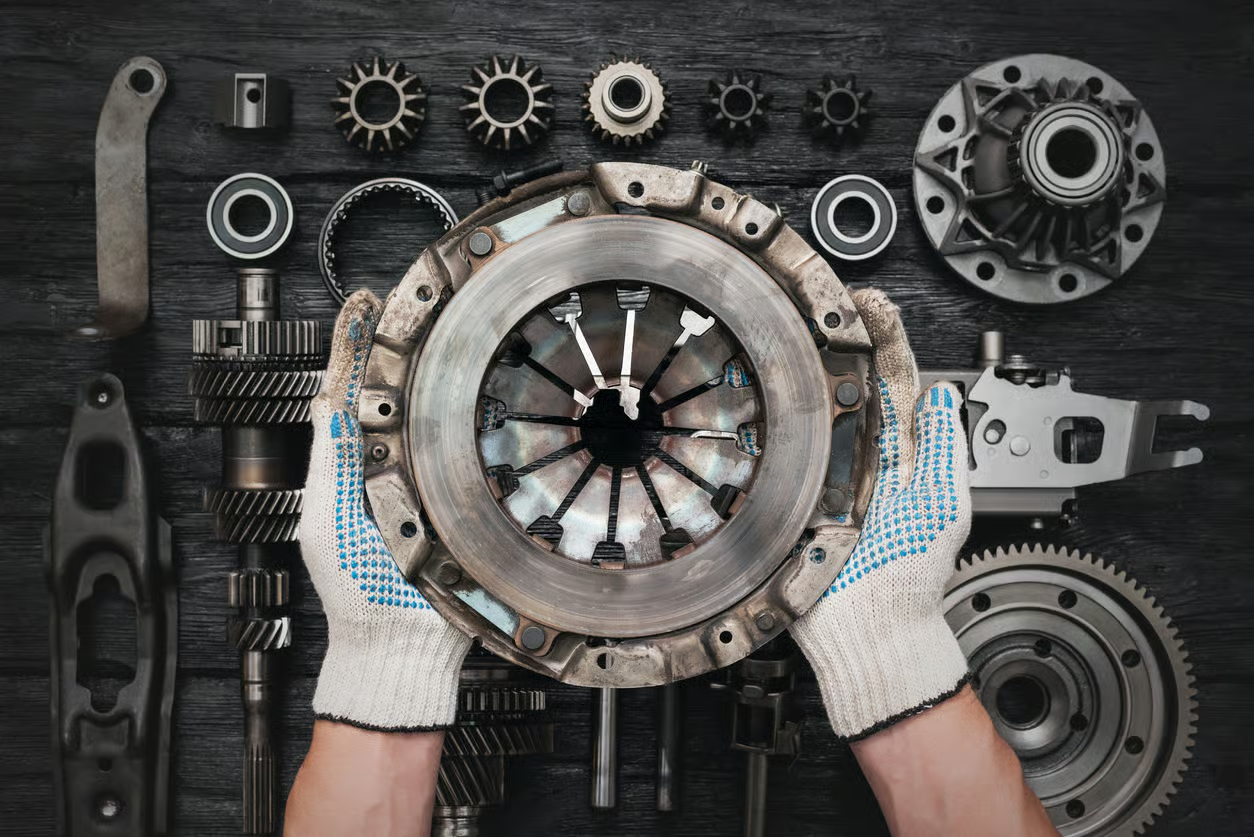
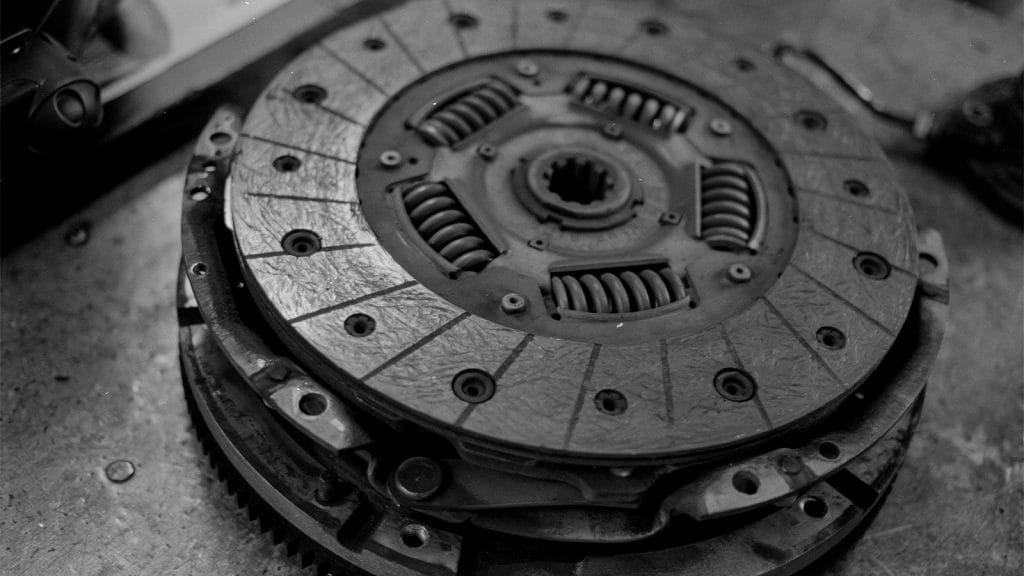
At RDG Pretoria, we deliver professional clutch replacement services for manual transmission vehicles throughout Gauteng, supported by our extensive experience within a national drivetrain service network. As the vital link between your engine and transmission, the clutch assembly is responsible for engaging and disengaging power, enabling smooth gear changes and controlled power delivery. Our skilled technicians expertly diagnose and replace worn or failing clutch components – including the clutch disc, pressure plate, release bearing, and sometimes the flywheel or hydraulic components (master/slave cylinders) – using only high-quality, durable parts. We address common issues such as clutch slipping, sticking, or difficult engagement, ensuring your vehicle performs reliably and optimally. Whether you operate a heavy-duty truck, a light commercial vehicle, or a daily driver, we are committed to restoring precise clutch operation and drivability for all our Gauteng clients.
Common Clutch Problems We Address
Common clutch problems that demand expert attention include:
- Clutch Slip: The engine revs higher, but the vehicle doesn’t accelerate proportionally, often indicating a worn friction disc.
- Difficulty Shifting: Gears grinding or being hard to engage/disengage, suggesting issues with the pressure plate, release mechanism, clutch hydraulics, or insufficient disengagement.
- Juddering or Shuddering: Vibrations or a jerky motion when engaging the clutch, often due to a warped disc, contaminated friction surface, or flywheel issues.
- Sticking Pedal: The clutch pedal fails to return to its normal position after being depressed.
- Noisy Operation: Squealing, chirping, or rumbling noises when the clutch pedal is pressed or released.
- Severe overheating (often accompanied by a strong burning smell) can lead to rapid wear and glazed friction surfaces. Ultimately, complete clutch failure can occur, rendering the vehicle immobile and disrupting operations – a critical concern for individuals and especially for Gauteng’s commercial and long-haul operators who depend on consistent vehicle performance.
Fault Indicators & Diagnostic Trouble Codes (DTCs)
Be alert to these tell-tale signs of impending clutch issues:
- Changes in Pedal Feel: The clutch pedal may feel unusually soft, spongy, stiff, or vibrate. The engagement point (where the clutch “bites”) might also change, becoming higher or lower than usual.
- Burning Smell: A distinct, acrid burning odour, especially after demanding use (like hill starts or towing) or if the clutch is slipping, indicates overheating friction material.
- Noises:
- Grinding sounds when pressing the clutch pedal or attempting to shift gears often point to a worn release bearing, pilot bearing/bushing, or internal transmission issues exacerbated by clutch problems.
- Squealing or chirping when the clutch pedal is pressed or released can also indicate release bearing issues or problems with the pressure plate.
- Clutch Slipping: As mentioned, the engine speed increases without a corresponding increase in vehicle speed. This is most noticeable in higher gears or under load.
- Difficulty Engaging Gears: Especially engaging first or reverse gear from a standstill.
- Engine Stalling: The engine may stall unexpectedly at stops if the clutch is not disengaging fully (“clutch drag”).
Understanding Diagnostics & DTCs for Manual Clutches:
It’s important to note that the primary wear components of a manual clutch system (friction disc, pressure plate, release bearing) are mechanical and hydraulic. These components generally DO NOT have dedicated sensors that would generate specific Diagnostic Trouble Codes (DTCs) directly indicating their wear or impending failure. Diagnosis overwhelmingly relies on the physical symptoms described above, driver feedback, and thorough mechanical inspection.
However, some modern vehicles have electronic sensors associated with the clutch pedal or system for functions like:
- Cruise control deactivation
- Hill-start assist
- Engine start-stop systems
- Informing the Engine Control Unit (ECU) of clutch operation for smoother engine response or gear shift assistance.
Issues with these sensors or their circuits CAN generate DTCs. Common examples include:
- P0704 – Clutch Switch Input Circuit Malfunction: Indicates a problem with the switch that signals clutch pedal depression, often used for starter interlocks or cruise control.
- P0805 – Clutch Position Sensor Circuit Malfunction: Points to an issue with the sensor that monitors the precise position of the clutch pedal.
- P0806 – Clutch Position Sensor Circuit Range/Performance: Suggests the clutch position sensor’s readings are outside the expected parameters or are erratic.
- P0807 – Clutch Position Sensor Circuit Low Input: The signal from the clutch position sensor is too low.
- P0808 – Clutch Position Sensor Circuit High Input: The signal from the clutch position sensor is too high.
- P0830 – Clutch Pedal Switch “A” Circuit
- P0833 – Clutch Pedal Switch “B” Circuit
Important Note: These DTCs typically indicate faults with the electronic monitoring system of the clutch (e.g., the pedal sensor itself, wiring, or the switch), not necessarily the mechanical wear of the clutch friction disc or pressure plate. However, a fault in these sensors can sometimes affect drivability, prevent cruise control operation, or interfere with start-stop functionality. A comprehensive clutch diagnosis will always involve a thorough mechanical assessment by an experienced technician, alongside interpreting any electronic data if available.
Early recognition and professional diagnosis of clutch symptoms can prevent more extensive (and expensive) damage to other drivetrain components like the flywheel or even internal transmission parts.
Common Causes of Clutch Breakages/Failure
Primary causes of premature clutch failure include:
- Driving Habits: Aggressive driving (hard launches, rapid/forced shifts), “riding” the clutch pedal (keeping it partially depressed unnecessarily while driving), or holding the vehicle on an incline using the clutch instead of the brakes.
- Heavy Loads & Towing: Frequently towing heavy trailers or consistently overloading the vehicle puts immense strain on the clutch components.
- High Mileage & Age: Clutch components are designed to wear and will naturally degrade over time and with accumulated mileage.
- Contamination: Oil leaks from the engine (rear main crankshaft seal) or transmission (input shaft seal) can contaminate the clutch friction disc, causing severe slipping, grabbing, and chatter.
- Hydraulic System Issues: Low clutch fluid, leaks in the clutch master cylinder or slave cylinder, or air in the hydraulic lines can prevent proper clutch disengagement or engagement.
- Poor Quality Parts/Previous Improper Repairs: Using substandard replacement parts or incorrect installation during a previous repair can lead to significantly reduced clutch life.
- Operating Conditions: Frequent stop-and-go driving, typical in many parts of Gauteng, involves a higher number of clutch actuations, accelerating wear. High ambient temperatures can also contribute to faster breakdown of friction materials if the clutch is already stressed or slipping.
- Mechanical Defects: Issues like a warped flywheel, worn pilot bearing/bushing, or problems with the clutch release mechanism (fork, pivot ball) can also lead to clutch problems.
Importance of Professional Clutch Replacement & Timely Attention
While manual clutches are considered wear items and don’t have “regular maintenance” intervals like fluid changes, professional inspection during routine vehicle servicing at RDG Pretoria can sometimes identify early signs of related issues (like hydraulic leaks, pedal adjustment needs, or initial slippage). When replacement is due, professional service is paramount for long-term reliability.
Addressing symptoms of clutch wear promptly by seeking professional diagnosis can prevent consequential damage (e.g., to the flywheel, which may then also need machining or replacement) and reduce overall repair costs and vehicle downtime – which is crucial for individuals and businesses across Gauteng. A properly functioning clutch, expertly installed, contributes to optimal power transfer, can indirectly support fuel efficiency, and is essential for the overall longevity of your vehicle’s drivetrain. Trust our expert service to keep your manual transmission vehicle reliable and performing at its best.