Menu
Professional CV Joint – Restoring Stearing Precision Handling & Control
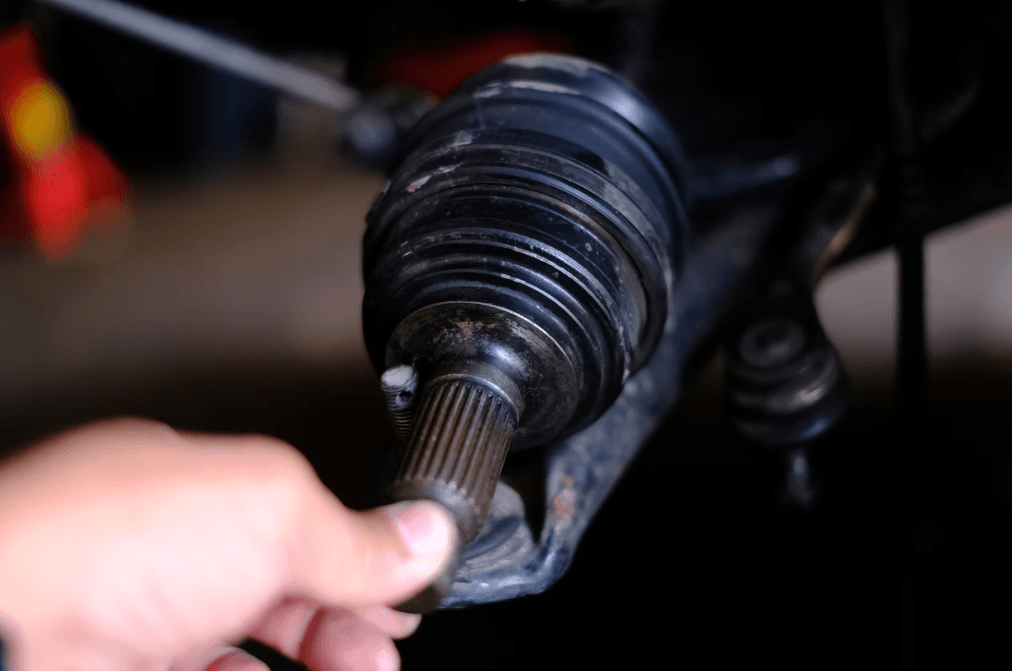
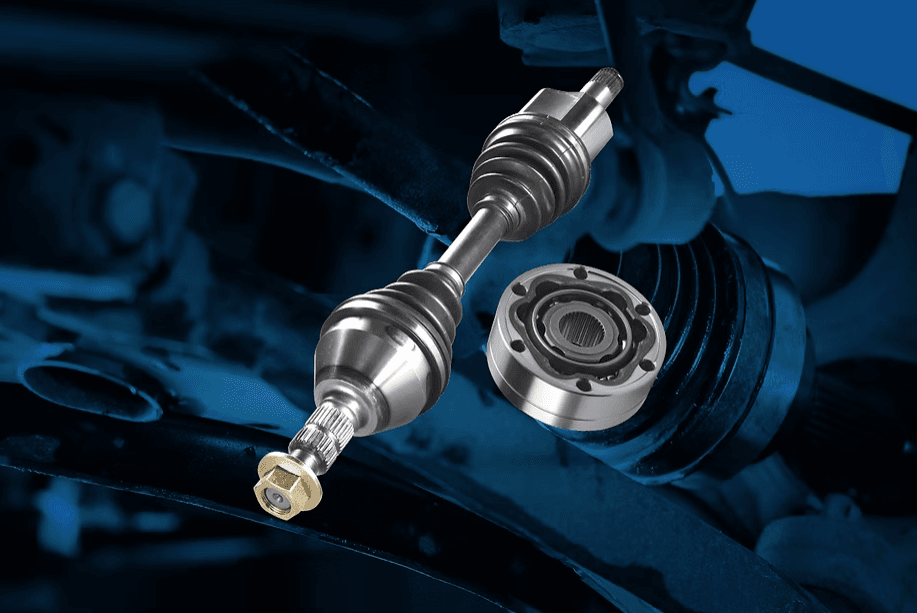
At RDG Pretoria, we provide expert repair and maintenance services for Constant Velocity (CV) joints and various types of steering systems (including traditional hydraulic power steering boxes/racks and modern electric power steering (EPS) units) for all vehicle makes and models across Gauteng. Our services are backed by deep technical knowledge and a commitment to quality within the national drivetrain industry. CV joints are crucial for transferring torque from the transaxle or differential to the drive wheels at a constant speed, especially while accommodating the variable angles of the suspension and steering. Steering systems, whether traditional hydraulic or advanced EPS units, are fundamental for precise and effortless vehicle control. Our comprehensive services encompass thorough diagnostics, high-quality component replacement (for CV joints, boots, steering racks, pumps, motors, and control modules), and expert reconditioning where viable. We use only premium, durable parts to restore your vehicle’s handling precision and driving safety. Whether you’re navigating the busy urban streets of Gauteng or tackling more demanding rural roads, our expertise ensures your vehicle’s steering and final drive components remain in optimal condition.
Common Problems We Address
Common issues we address include:
These problems can severely reduce maneuverability, cause uneven tire wear, strain associated suspension components, and ultimately pose significant safety risks for Gauteng drivers if not addressed promptly and professionally.
Fault Indicators & Diagnostic Trouble Codes (DTCs)
Key fault indicators include:
Understanding Diagnostics & DTCs:
CV Joints: It’s important to note that CV joints are purely mechanical components and DO NOT generate Diagnostic Trouble Codes (DTCs) themselves. Diagnosis is primarily based on auditory symptoms (the characteristic clicking), visual inspection of the boots for tears and grease leakage, and physically checking for excessive play or roughness in the joint. In very severe cases where a CV joint failure leads to significant drivetrain disruption (like a broken axle) or affects wheel speed consistency dramatically, it could indirectly contribute to triggering codes in related systems like the Anti-lock Braking System (ABS) (e.g., C0035-C0050 range for wheel speed sensor faults) or Traction Control System (TCS), but these codes would not pinpoint the CV joint as the root cause.
Steering Systems: Diagnosis for traditional, purely hydraulic steering boxes and racks also relies mainly on physical symptoms like leaks, noises, and steering feel. However, modern Electric Power Steering (EPS) and some Electro-Hydraulic Power Steering (EHPS) systems are equipped with sensors and electronic control modules that CAN generate specific DTCs when a fault occurs. Common steering-related DTCs for these systems include:
An illuminated power steering warning light on the dashboard is a clear signal that the system has detected a fault and has likely stored one or more DTCs that require professional scanning and interpretation.
Early recognition of any of these signs is critical to avoid more extensive damage, ensure continued vehicle safety, and prevent potentially costly repairs.
Common Causes of Breakages & Failures
Importance of Regular Maintenance & Professional Service
Regular inspection of CV joint boots and the power steering system (including fluid levels and condition for hydraulic systems) at RDG Pretoria is crucial for ensuring continued smooth handling, steering precision, and overall vehicle safety on Gauteng’s diverse roads. Our professional inspections can catch CV boot tears before significant grease loss and contamination occur, identify power steering fluid leaks in their early stages, or detect initial signs of EPS malfunctions. Addressing these issues early prevents unexpected breakdowns, more extensive component damage, and significantly costlier repairs down the line. Well-maintained CV joints and steering systems enhance driver comfort and confidence, prolong the life of these critical components, and are fundamental to maintaining vehicle reliability. Trust our expertise at RDG Pretoria to keep you safely in control.